If you are searching for acreage in Walton County, it is easy to fall in love with a pretty stretch of land before you know whether it truly fits your plans. That is where many buyers get stuck. You want privacy, room to spread out, and a property that supports the way you actually want to live, not just one that looks good in photos. This guide will walk you through what lifestyle buyers usually look for in Walton County acreage and what details matter most before you buy. Let’s dive in.
Why Walton County acreage stands out
Walton County offers a mix that many lifestyle buyers want right now. County planning materials describe it as being within the influence of both the Atlanta and Athens metro areas while still balancing rural qualities with urban amenities. That gives you a chance to enjoy a rural setting while staying connected to a growing regional market.
That balance also means change matters here. Walton County says growth pressure is shaping future land use, and the county is updating its comprehensive plan in 2026. If you are buying acreage for a home, hobby farm, or long-term hold, it helps to think about both what the land feels like today and what the surrounding area may look like later.
Privacy means more than acreage
Many buyers start with a simple goal: more land equals more privacy. In practice, privacy depends on more than the total number of acres. The shape of the tract, where the homesite sits, road placement, and how much of the land is actually usable all affect how private a property feels.
Walton County zoning rules also shape how acreage works. In the agricultural district, the minimum lot area is 5 acres and the lot width at the building line is 300 feet. Rural estate districts have different minimums depending on whether a parcel uses public water, sewer, or a well and septic system.
That is why two properties with the same acreage can offer very different day-to-day experiences. One may feel tucked away with plenty of open space around the homesite, while another may have size on paper but limited room where you can comfortably build, add improvements, or create separation from the road.
Access and road frontage matter every day
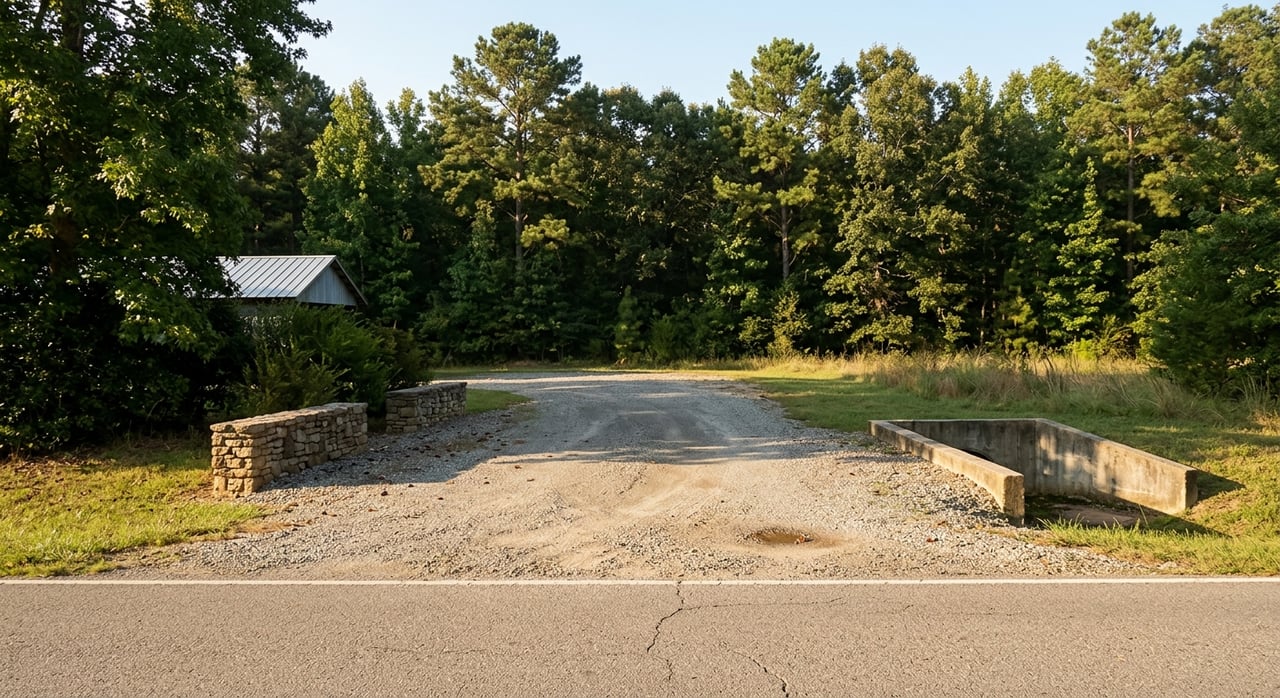
Acreage buyers often focus on views, trees, or open pasture first. But access and road frontage can affect your daily use just as much as the scenery. In Walton County, driveway layout, easements, and underground utilities are part of the permit and site-review process.
The county’s residential building packet also notes that a DOT driveway permit is needed when a house is built off a state highway. That means the way a tract meets the road can influence convenience, future construction, and even how easily you move equipment, trailers, or guests in and out.
When you look at acreage, pay close attention to:
- Road frontage length
- Existing easements
- Driveway placement options
- Visibility and traffic at the entrance
- Whether access feels practical in all weather conditions
A beautiful tract with awkward access can become frustrating over time. A practical entry point and good frontage often add more value to your lifestyle than buyers expect at first.
Usable land matters more than raw land
Not every acre functions the same way. Walton County sits in Georgia’s Piedmont region, which UGA describes as rolling-hill country with well-drained red clay and sandy loam soils. That terrain can create attractive views and a more varied setting, but it also makes site selection important.
If you are planning a homesite, barn, workshop, or open pasture area, you need to know where the land lays well and where drainage may become a challenge. Soil surveys can help evaluate septic areas and foundation planning before purchase. In a market like Walton County, the best tract is often the one with the right mix of topography and function, not just the one with the biggest acreage number.
Water, septic, and utility setup shape the lifestyle
One of the biggest questions acreage buyers ask is whether a tract has county water or needs a private well. Walton County’s water department says it provides drinking water to the majority of the county, but you should still confirm the utility setup for any specific property. Rural acreage can vary a lot from one tract to the next.
Septic is just as important. Before a residential permit is issued, Walton County requires final septic approval from Health Department records. The county’s site-evaluation process also asks for the proposed well location, drainfield location, paved areas, underground utilities, and flood plain information.
If a tract needs a well, placement matters. UGA Extension advises placing wells uphill from runoff and away from septic tanks, animal enclosures, and other contamination sources. In simple terms, a lifestyle property works best when the utility plan fits the land naturally rather than being forced into a tight or awkward layout.
Barns, shops, and guest houses are common goals
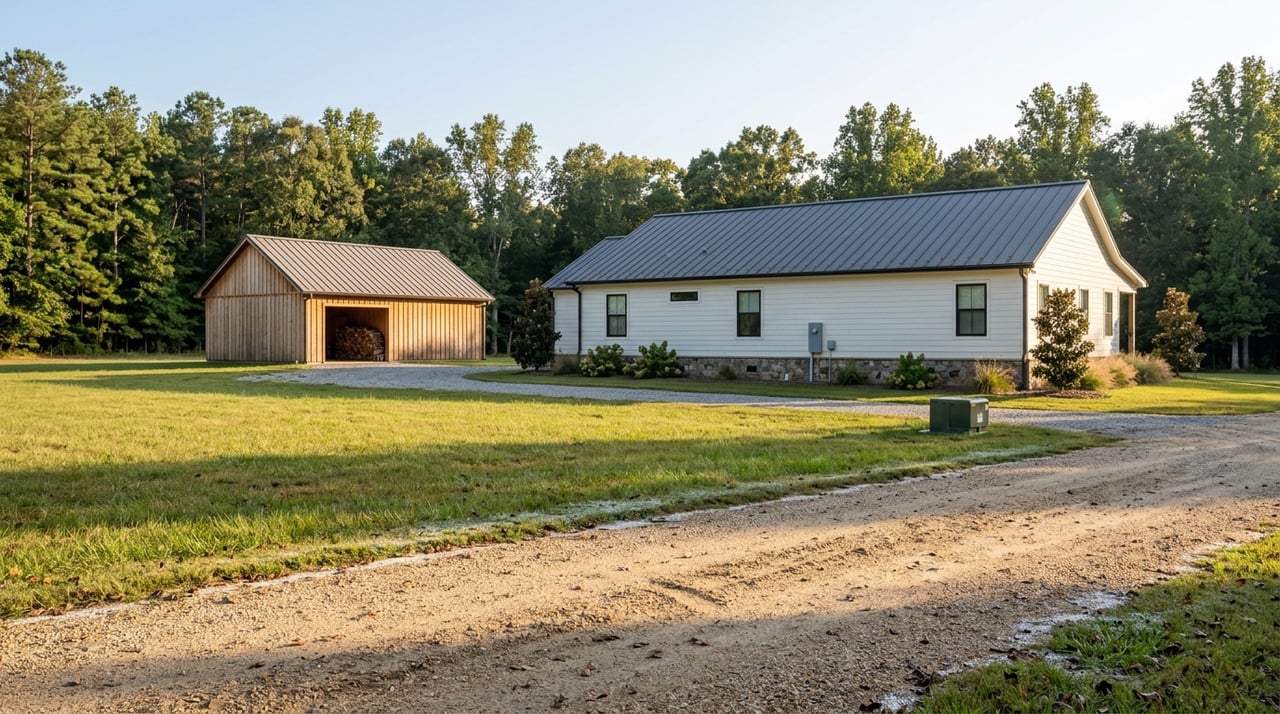
Many lifestyle buyers are not just shopping for a homesite. They want room for a shop, storage building, barn, or guest house. Walton County does allow accessory uses and structures in agricultural and rural estate districts, but those uses are still subject to zoning and permit review.
Guest houses are allowed by right in A, A1, A2, and R-1 on qualifying parcel sizes. They cannot be rented, and they are capped at 800 square feet. That matters if your vision includes space for family visits, extra flexibility, or a separate living area on the property.
If you are thinking about a barndominium, Walton County’s building packet says stamped engineered plans are required. That does not mean the idea is off the table. It just means you should plan ahead and make sure the property and your building plans line up with county requirements.
Animals can change what works best
For many acreage buyers, lifestyle means more than land and a house. It may include horses, a few cows, or backyard chickens. Walton County has specific livestock rules, so the right property depends heavily on zoning and whether the tract is part of a platted subdivision.
According to county regulations, animal quarters must be at least 50 feet from any property line. Large hoofed livestock are also limited by fenced-acre ratios, and free-range animals or poultry are not allowed within platted subdivisions. That means a tract that looks perfect for a hobby-farm setup may not work the way you expect unless the zoning and subdivision context support it.
Before buying, it helps to think through your actual use:
- Do you want a few animals for personal enjoyment?
- Do you need fenced acreage?
- Will you want a barn or shelter structure?
- Is the tract in a subdivision with added standards?
Those details can quickly separate a good fit from a frustrating one.
A, A1, and A2 zoning are not the same
Zoning is one of the biggest factors in how Walton County acreage functions. The A district is the most farm-focused. A1 and A2 are rural estate districts, and each district has its own standards for lot size, width, setbacks, and impervious coverage.
This is why two similarly sized tracts can offer very different opportunities. One parcel may better support a farm-oriented setup, while another may feel more like an estate homesite with different development standards. If you want a home, guest house, animals, or multiple accessory structures, zoning should be one of the first things you confirm.
It is also smart to look beyond current zoning alone. Walton County links its future land use map and comprehensive plan to the zoning process, and the county says zoning helps implement the plan’s future development direction. In a growing area, buyers should consider both today’s rules and the county’s long-term planning context.
Subdivision acreage can feel very different
Not all acreage in Walton County functions like open country land. Some parcels are in platted subdivisions, and those lots can come with extra finish standards. County regulations note that platted subdivisions can require paved driveways and sod in front yards.
That may be perfectly fine for some buyers. But if you picture a more rugged, flexible, farm-style property, subdivision acreage may not deliver the same experience as a true rural tract. This is one more reason to match the property type to the lifestyle you want.
Clearing, grading, and drainage are part of the decision
It is easy to think of site work as something to figure out after closing. In reality, clearing, grading, and drainage can be central to whether a tract supports your plans. Walton County’s planning materials include land-disturbance permits and development review information, and environmental-health forms require information on flood plain, paved areas, utilities, and drainfield location.
For buyers, that means the prettiest homesite may not always be the easiest one to build on. A tract with a more practical layout, stronger access, and better drainage can save time, cost, and stress later. When you evaluate acreage, think about how the whole site will function once improvements are in place.
What the best lifestyle buyers do first
Strong acreage buyers usually start with the lifestyle they want, then work backward into the land features that support it. That approach keeps you from buying based on emotion alone. It also helps you compare non-cookie-cutter properties more clearly.
A smart first-pass checklist includes:
- Your desired level of privacy
- How much usable open space you want
- Whether you need county water or can use a well
- Whether septic appears feasible
- The type of access and frontage the tract has
- Whether zoning supports your intended use
- Whether you want structures like a barn, shop, or guest house
- Whether you plan to keep animals
- Whether the parcel sits in a subdivision or a more rural setting
In Walton County, fit matters more than flash. The right tract is usually the one that supports your plans with the fewest surprises.
If you are comparing acreage in Walton County and want practical guidance on access, zoning, utility questions, or long-term fit, Travis Ebbert can help you look at land the way an experienced Georgia land specialist does.
FAQs
What do lifestyle buyers usually want from Walton County acreage?
- Most buyers are looking for a mix of privacy, usable land, practical access, and enough flexibility for features like a homesite, accessory buildings, or limited animal use.
How does Walton County road frontage affect acreage use?
- Road frontage can affect driveway placement, ease of access, daily convenience, and the permit process, especially if the property is on a state highway.
What should buyers know about water and septic on Walton County acreage?
- Buyers should confirm whether a tract has county water or will need a well, and they should review septic feasibility, drainfield location, and site-evaluation requirements before moving forward.
Can buyers build a guest house on Walton County acreage?
- Walton County allows guest houses by right in A, A1, A2, and R-1 on qualifying parcel sizes, but they cannot be rented and are limited to 800 square feet.
What is the difference between A, A1, and A2 zoning in Walton County?
- The A district is more farm-focused, while A1 and A2 are rural estate districts with different standards for lot size, width, setbacks, and other site requirements.
Can buyers keep horses, cows, or chickens on Walton County acreage?
- Animal use depends on zoning, fenced acreage, setback rules for animal quarters, and whether the tract is in a platted subdivision, where free-range animals or poultry are not allowed.