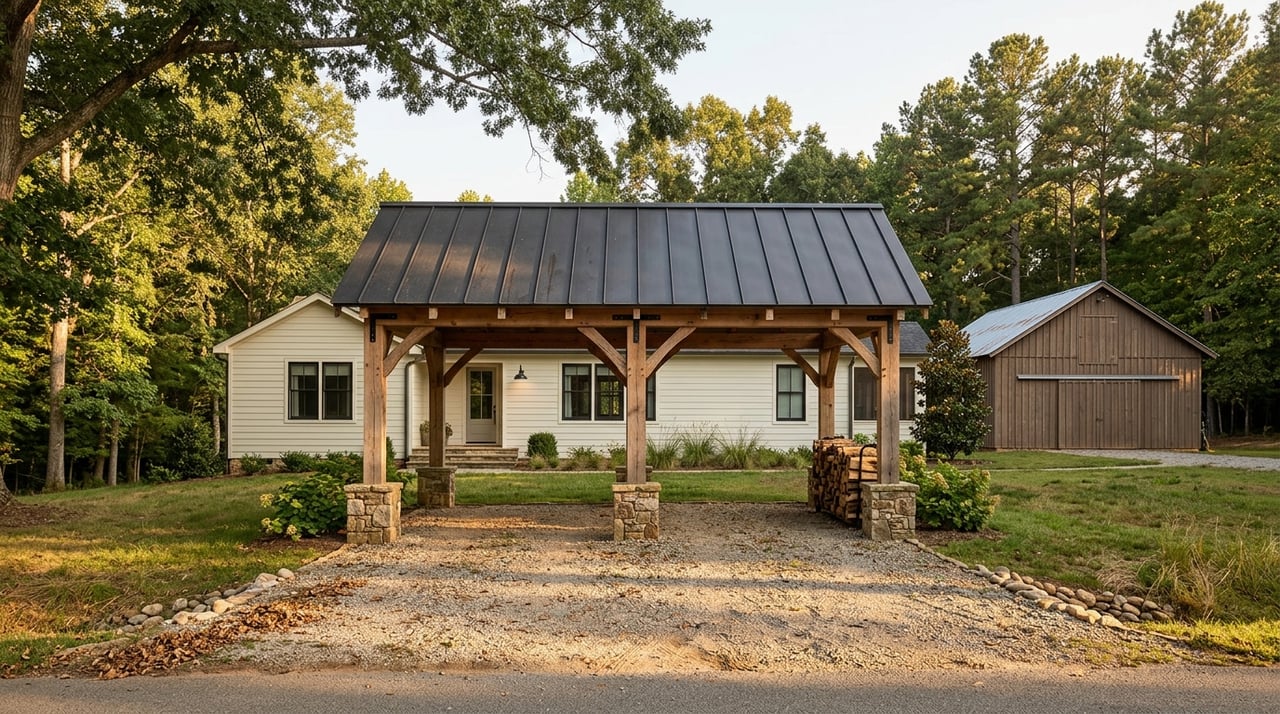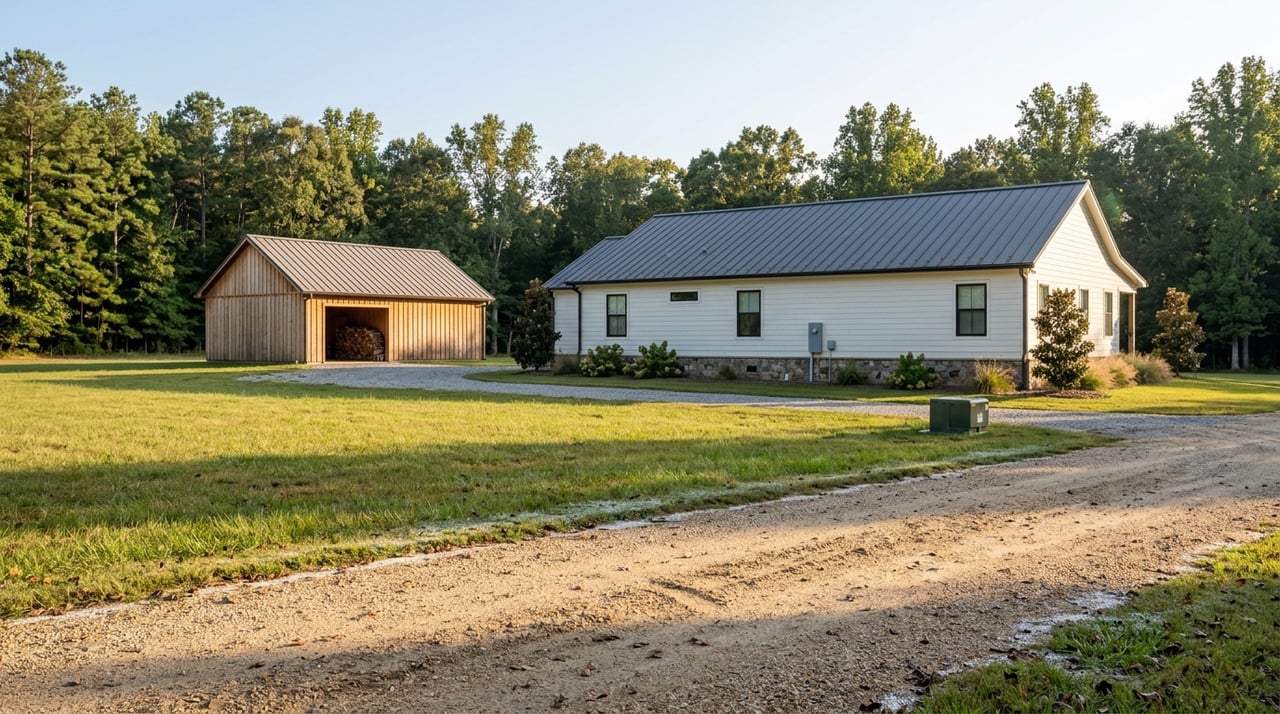
If you have ever looked for acreage in Gwinnett County, you already know how rare it can feel. In a large, fast-growing suburban county on the edge of Metro Atlanta, land is not just about elbow room anymore. It is also about access, utilities, zoning, and long-term potential. If you are thinking about buying or holding acreage in Gwinnett, this guide will help you understand what really matters before you make a move. Let’s dive in.
Why Gwinnett acreage stands out
Gwinnett County is not a fringe market with endless open land. Census estimates put the county at 1,018,099 residents as of July 1, 2025, up 6.3% from the 2020 census count of 957,062. With 430.76 square miles of land and about 2,221.8 residents per square mile, acreage here sits inside a county that is already dense and still growing.
That matters because acreage in Gwinnett often carries a different value story than a standard suburban lot. The median owner-occupied home value is $380,900, and median household income is $87,890. In a market like this, larger parcels can attract attention for privacy, future flexibility, or long-term land positioning.
How county planning shapes acreage
Gwinnett is planning for growth in a deliberate way. Its 2045 Unified Plan, adopted on February 20, 2024, focuses on land use, transportation, infrastructure, housing, and community resources as the population grows. The county also uses a Daily Community framework that looks at how residents can meet everyday needs within about a 15-minute trip from home.
For you as a buyer or owner, that means acreage ownership is tied to a larger planning picture. The county is not treating land use as random or purely market-driven. Infrastructure, access, and future land patterns all play a role in what a tract may realistically become over time.
Why small acreage still appeals
Acreage in Gwinnett is not only about owning more land. It is also about having room to use a property differently from a typical subdivision lot. In some cases, buyers want a homesite with more separation. In others, they want a tract that may hold value because of where it sits and how it could fit into future growth.
Gwinnett’s RA-200 Agriculture-Residence district helps explain this. The district is intended for agriculture, forestry, and very low-density residential uses, and it is designed to discourage subdivision for urban development that requires public water and sanitary sewer. The minimum lot size is 40,000 square feet, with a 200-foot minimum lot width.
That zoning framework is one reason some acreage in Gwinnett behaves more like a long-term land asset than a typical residential homesite. It may offer flexibility, but it also comes with clear limits. Before you assume a tract can be split, intensified, or redeveloped, you need to understand what the zoning actually allows today.
Zoning and future use are not automatic
One of the biggest mistakes acreage buyers make is assuming future use is obvious. In Gwinnett, zoning administration, GIS data, and long-range planning are all handled through formal county processes. Rezoning requests, special use permits, and variances are part of that structure.
That means a property’s future is not based on guesswork or a seller’s opinion. It depends on current zoning, surrounding uses, available infrastructure, and the county approval path. A tract may have upside, but that upside only matters if there is a realistic way to move through the entitlement process.
Access can change the whole deal
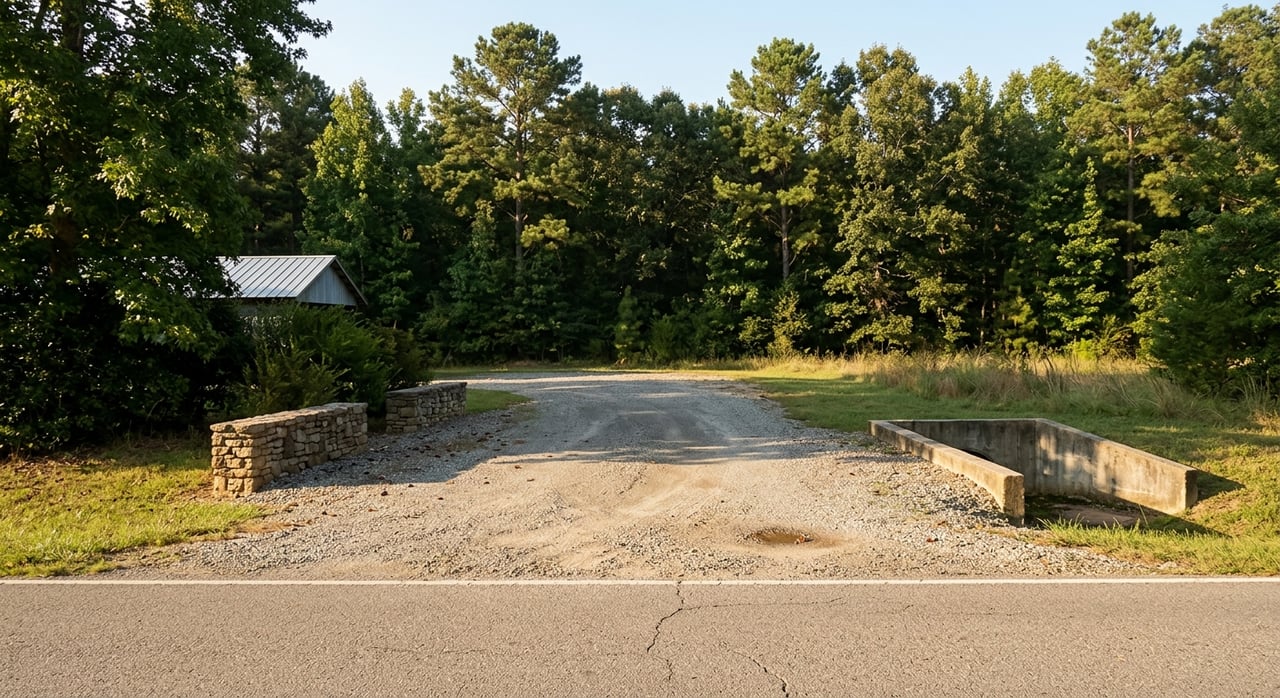
Road frontage looks simple until you get into the details. Access is often the first practical issue that affects cost, timeline, and usability. If a property fronts a state route, driveway approval may involve the Georgia Department of Transportation.
Georgia DOT requires a permit before construction work or non-routine maintenance within state right-of-way, including grading, drainage work, and new development access. For you, that can mean extra design requirements, added time, and higher upfront costs. A tract with plenty of frontage is not always a tract with easy access.
Utilities often drive value
When you look at acreage, utilities can be just as important as location. In Gwinnett, the two most common wastewater options are public sanitary sewer or private septic. The county says its sewer system moves about 56 million gallons from more than 180,000 homes and businesses each day.
If a tract is on sewer or has nearby sewer access, that can affect how you think about future use. If it relies on septic, you need county approval, and older septic records may be available through the GIS Data Browser or Environmental Health records. That simple question, sewer or septic, can shape both value and feasibility.
Water matters too. If a property uses a private well, Georgia Department of Public Health rules say wells must be installed by a licensed contractor, and the contractor must notify the county health department before construction. In practical terms, utility answers should come early in your due diligence, not at the end.
Topography and soils matter more than photos
A beautiful tract can still be difficult to build on. Topography and soils often decide whether acreage feels straightforward or expensive. Slope, drainage, and subsurface conditions can all affect where you can place a home, driveway, yard area, or pasture improvements.
According to the Georgia Department of Public Health onsite sewage manual, flooding, shallow seasonal water tables, very slow percolation, perched water tables, imperfect drainage, bedrock limitations, and severe slope conditions can make a conventional on-site system unsuitable or require special design. In plain English, not every attractive parcel is a simple build site.
This is one reason land buying is different from buying a house in a subdivision. With acreage, you are evaluating the land itself, not just the address. A tract that looks great online may require more site work, more engineering, or a different layout than you expected.
Floodplain can limit what you do
Creeks and low land can make acreage look appealing, but they can also create major restrictions. Gwinnett says the county has about 24,000 acres of floodplain. The county also states that construction is prohibited within the floodplain, and homes built on floodplain lots must be elevated three feet above the 100-year base flood elevation.
That makes floodplain review a must. You should check county flood maps and ask whether the property has ever flooded. On acreage, floodplain land may still have value, but it can change where and how you build, how much usable land you really have, and what ownership costs may look like over time.
Long-term value depends on the right mix
Acreage value in Gwinnett is rarely about raw size alone. The stronger parcels usually combine several advantages at once, such as usable topography, workable access, utility potential, and a realistic future-use path. When those factors line up, land tends to be easier to own, easier to market, and easier to evaluate.
The regional growth picture adds context. The Atlanta Regional Commission forecasts that the 21-county Atlanta region could add 1.8 million people by 2050, reaching 7.9 million, and it says Gwinnett is among the counties expected to see much of the region’s job growth. That does not guarantee appreciation or entitlement success, but it helps explain why well-positioned acreage keeps drawing interest.
Questions to ask before you buy
If you are considering acreage in Gwinnett, start with the basics before you focus on dream plans. A few practical answers can save you time, money, and frustration.
- What is the current zoning, and what does it allow today?
- Is the property served by public sewer, septic, or neither?
- If septic is needed, are records available and does the site appear suitable?
- Does the parcel front a state route, and would driveway access require a GDOT permit?
- Are there floodplain areas, stream buffers, or drainage concerns?
- How much of the land is actually usable for your intended purpose?
- If you want a different use later, would rezoning or a special use permit likely be required?
These are not small questions. On acreage, they often shape value more than the listing photos, tax map, or total number of acres.
Why guidance matters with land
Land in Gwinnett can be full of opportunity, but it usually rewards a careful, strategic approach. Buying or selling acreage is often less about square footage and more about understanding frontage, utilities, entitlement path, topography, and fit for the market.
That is where experienced land guidance can make a real difference. Travis Ebbert works with buyers, sellers, and investors across Georgia on land and commercial property, including development-oriented questions like rezoning strategy, subdivision planning, feasibility support, and coordination with engineers, planners, surveyors, builders, and developers. If you want to evaluate acreage in Gwinnett with a practical eye toward current use and future potential, Travis Ebbert is a strong place to start.
FAQs
What makes acreage in Gwinnett County different from a typical homesite?
- Acreage in Gwinnett often involves more variables than a standard lot, including zoning, access, utilities, topography, floodplain, and future-use potential.
What does RA-200 zoning mean for Gwinnett County acreage?
- RA-200 is intended for agriculture, forestry, and very low-density residential use, with a minimum lot size of 40,000 square feet and a 200-foot minimum lot width.
How do you check sewer or septic for a Gwinnett County property?
- Gwinnett says the sewer bill and GIS Data Browser are the fastest ways to verify service, and Environmental Health can provide records for many older septic systems.
What should buyers know about driveway access on Gwinnett acreage?
- If the parcel fronts a state route, driveway approval may require a Georgia DOT permit, which can add design, timing, and cost considerations.
How can floodplain affect acreage in Gwinnett County?
- Gwinnett says construction is prohibited within the floodplain, and homes on floodplain lots must be elevated three feet above the 100-year base flood elevation.
Can you rezone acreage in Gwinnett County for a different use?
- Possible changes in use are handled through formal county processes such as rezoning or special use permits, and pre-application meetings are required for several land-use requests.