If you are looking at timber or recreational land in Greene County, it is easy to get excited by the acreage number and the view from the road. But on this kind of property, value rarely comes from acreage alone. In Greene County, access, timber quality, water features, utility options, and county rules can all change what a tract is really worth. This guide will help you look at a tract the way an experienced land buyer would. Let’s dive in.
Why Greene County Tracts Stand Out
Greene County offers a mix that draws many land buyers. County planning materials describe rolling hills, forests, fertile well-drained soils, a humid subtropical climate, and about 50 inches of annual precipitation each year. That setting supports timber production, recreation, and a range of rural land uses.
The county also has several features that shape demand. Greene County says it is the sixth largest producer of soft wood veneer logs in Georgia. It also includes Lake Oconee, a 19,000-acre lake, and about 27,000 acres of the Oconee National Forest in the northern part of the county.
That combination means one tract may appeal for hunting, another for timber income, and another for a future cabin or homesite. You want to separate those value drivers instead of assuming they all come with every property. A wooded tract near recreation may still have weak timber value, while a strong timber tract may have limits on access or building plans.
Start With Intended Use
Before you evaluate price, get clear on your goal. Are you buying for timber production, weekend recreation, a cabin site, a future rental, or long-term investment? The answer should shape every part of your review.
A tract that works well for hunting may not be ideal for a homesite. A tract with attractive timber may not be easy to subdivide later. In Greene County, where conservation land, environmental sensitivity, and easements can affect use rights, your intended use matters just as much as the raw acreage count.
Check Zoning And Boundaries First
One of the most practical first steps is confirming what the property actually is on paper. Greene County says its GIS maps are for reference only and that Qpublic has the most up-to-date parcel zoning information. That makes county mapping a good starting point, but not the final word.
Before you rely on a listing description or tax map, verify the parcel boundaries and zoning status. If a tract has overlay rules, road frontage questions, or future use plans, those details can affect both value and flexibility. This is especially important if you hope to build, subdivide, or use the tract as a short-term rental property later.
Evaluate Access In All Weather
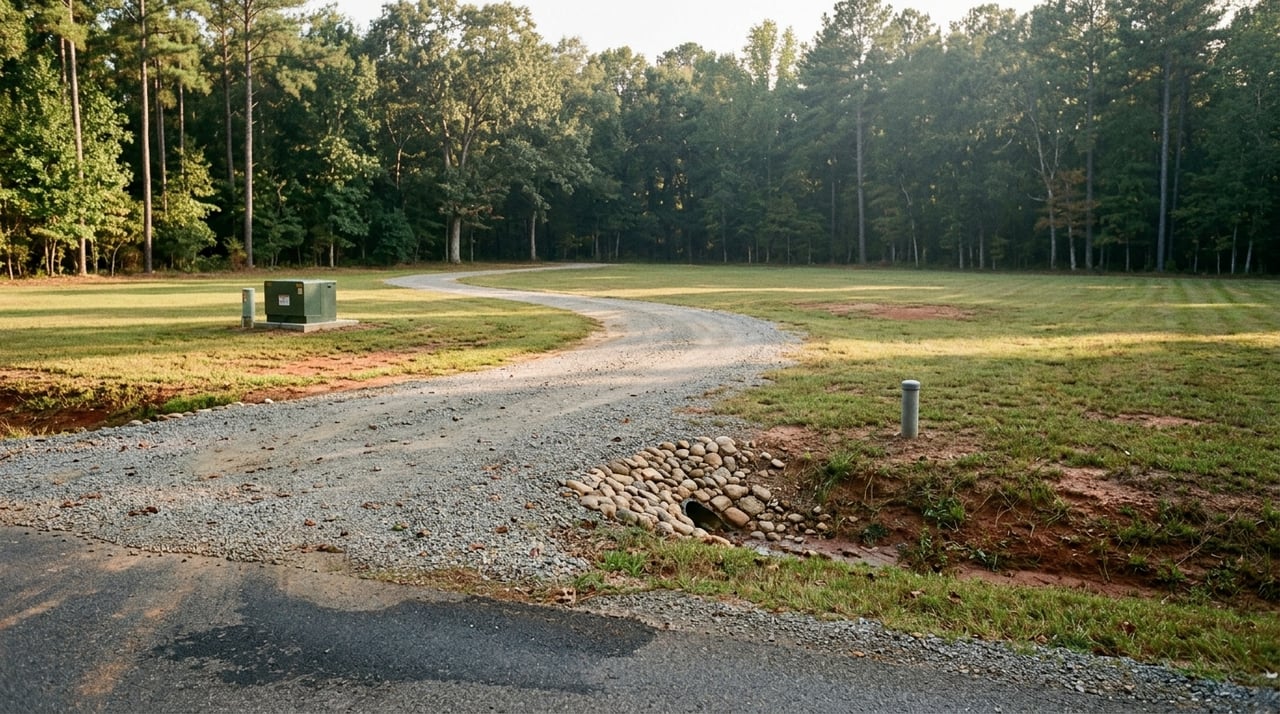
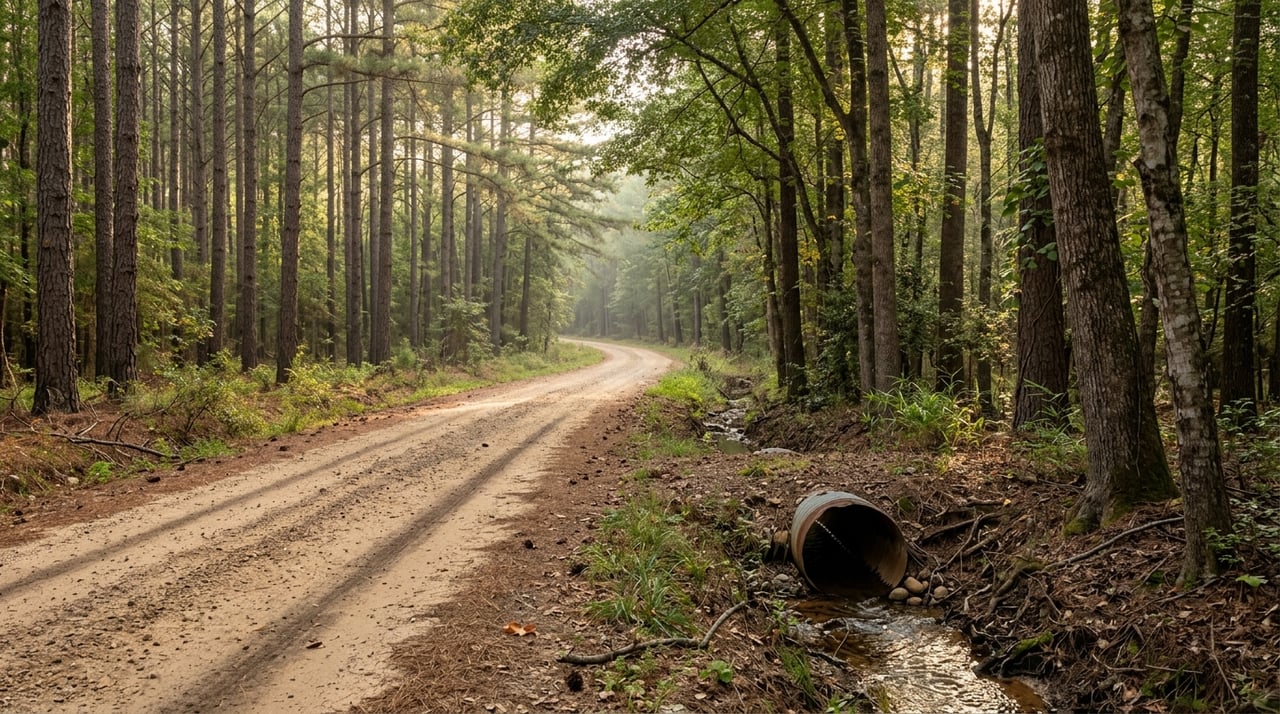
A rural tract can look accessible on a dry day and be a very different property after heavy rain. Greene County Public Works maintains dirt roads and handles drainage issues, which makes road condition, culverts, and runoff worth close attention. If the tract has internal roads or trails, you should walk them and look for weak spots.
Ask yourself a few practical questions:
- Can you reach the tract year-round?
- Does the road hold up in wet weather?
- Are culverts in place and functioning?
- Is there enough usable frontage for your plans?
- Will equipment, trailers, or building materials get in easily?
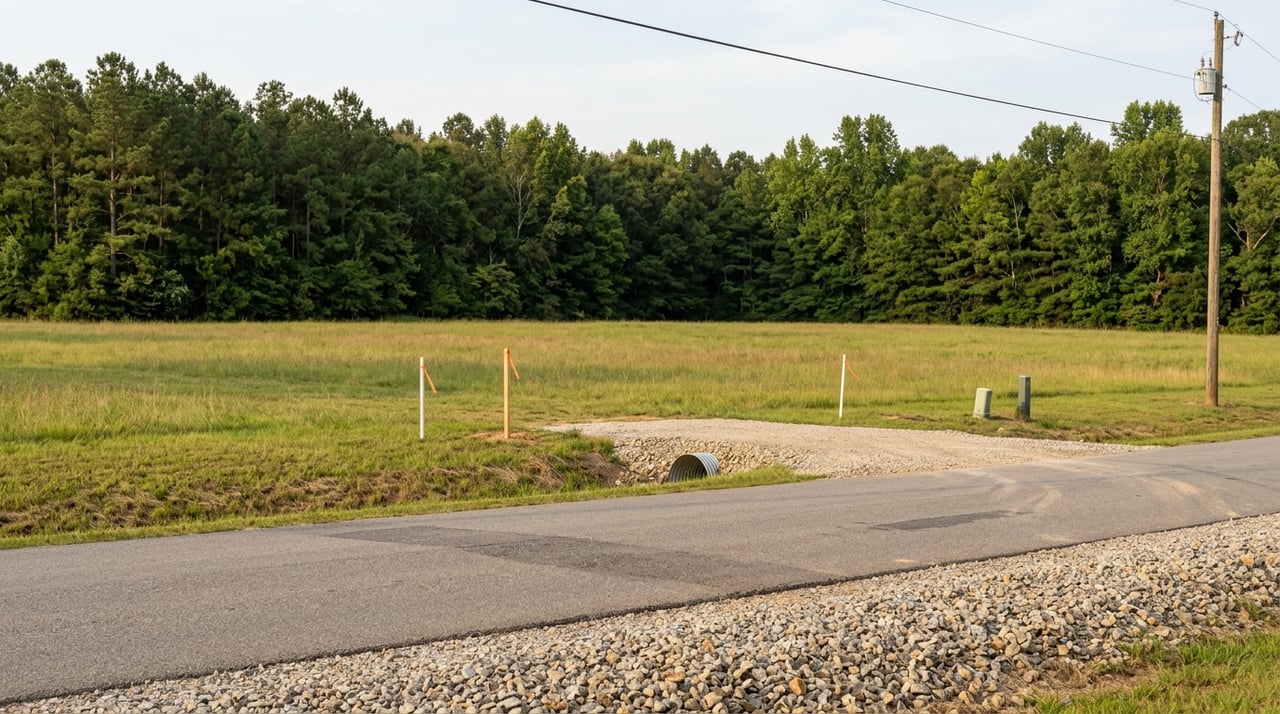
Driveway access also matters. Greene County requires a driveway permit for new driveways connecting to county roads, and properties on state highways need permission from GDOT. The county also says a street address must be assigned and posted before inspections or permits are issued.
Look Beyond Tree Count
Many buyers make the mistake of treating all wooded acres the same. In reality, timber value depends on the condition of the stand, not just the number of trees. UGA Extension says a useful forest description should include soil types, site index, acreage, species, stand age, stocking, average height, tree condition, health, and topographic information.
That is why two 100-acre tracts in Greene County can have very different value. One may have productive, managed timber with future harvest potential. The other may be heavily wooded but poorly stocked, difficult to access, or less suited for active timber management.
Key Timber Questions To Ask
When you walk a tract, try to understand more than just how it looks from the road. Focus on factors that affect future use and market value:
- What tree species are present?
- Is the stand planted or natural?
- How old is the timber?
- Has the tract been thinned or otherwise managed?
- Is the stand healthy and vigorous?
- How dense is the understory?
- Can equipment reach the timber for future work or harvest?
UGA Extension notes that plantation forests are generally more productive and harvested sooner, while natural stands are often managed for wildlife, aesthetics, or other non-timber goals. Neither is automatically better. It depends on what you want the land to do for you.
Habitat Can Add A Different Kind Of Value
In Greene County, timberland and recreational appeal often overlap, but they are not identical. County planning materials tie local land value to timber, hunting, and recreation, and UGA materials note that practices like forest stand improvement and prescribed fire can support wildlife habitat improvement, natural regeneration, and hazard reduction.
For a recreational buyer, a tract with strong habitat, good cover, and manageable access may be more attractive than one with the highest immediate timber volume. Species mix, thinning history, and understory condition can all influence how useful the land is for wildlife and outdoor use.
Review Water Features Carefully
Water can be one of the biggest lifestyle and value drivers in Greene County. Lake Oconee is a major draw, and the county also highlights public access points such as Old Salem Park and Parks Ferry Public Recreation Area. Recreation options in and around the county also include Oconee WMA, Redlands WMA, and several Oconee Ranger District recreation assets.
If a tract offers lake proximity, creek frontage, river frontage, or nearby public recreation, that can increase interest from many buyers. Still, water value should be reviewed carefully, not assumed. Shoreline limits, buffer rules, and protected-water issues can affect what you can actually do with the land.
The county’s planning materials describe the Oconee River as a state-designated Protected River. That makes shoreline review and buffer questions especially important when you are considering building, clearing, or improving land near water.
Understand Utilities And Septic Limits
Utility access can strongly affect a tract’s practical value. Greene County’s existing-conditions report says septic tanks are the primary wastewater treatment system in the county, and private wells are common in rural areas. Public water and sewer are available in some areas through providers such as Piedmont Water, the City of Greensboro, and the City of Union Point, but service is not uniform across the county.
That means you should never assume a future homesite or cabin site is ready to build just because the land looks suitable. The county also notes that lack of public water or sewer can block projects that cannot use septic tanks. A tract may fit your vision on paper and still fall short if the site does not support septic or practical utility service.
Utility And Site Questions To Confirm
Before you assign homesite or cabin value to a property, verify:
- Whether public water is available
- Whether public sewer is available
- Whether a private well is likely needed
- Whether the site can support septic approval
- Whether driveway access can be permitted
- Whether the location supports your intended building area
These items can be simple on one tract and a major hurdle on another. Early confirmation can save you from overpaying for land based on plans that may not work.
If You Want A Cabin Or Rental
Some Greene County buyers are not just looking for hunting land or timber. They also want a cabin, weekend getaway, or potential short-term rental. If that is part of your plan, county rules become part of the property’s value.
Greene County requires septic approval for on-site systems. The county also says a street address must be assigned before inspections or permits are issued. If you need a new driveway, county approval is required for county-road access, while state-highway access requires GDOT approval.
Short-term rental rules also matter. Greene County says rentals of less than 31 days must be in a Short-Term Rental Overlay District unless an exception applies, and the property must have a current short-term rental business license. So if rental income is part of your strategy, confirm that path before you build that number into your offer price.
Consider Future Division Or Development
Not every recreational tract is just a recreational tract forever. Some buyers want the flexibility to divide land later, create multiple homesites, or position a tract for future development. In those cases, value depends on more than timber and scenery.
Greene County says any residential subdivision creating four or more parcels requires preliminary plat approval with plans covering grading, road engineering, drainage, utilities, erosion control, and tree protection. The county also notes that erosion-control review protects buffers along state waters and regulates land disturbance.
That does not mean a tract lacks upside. It means the upside should be measured realistically. If future division or entitlement potential is part of your investment plan, you want to understand the county process early and weigh it alongside frontage, topography, utilities, and access.
A Smart Due-Diligence Sequence
When you evaluate a timber or recreational tract in Greene County, order matters. It is easy to fall in love with a property based on the setting, but practical review should come first.
A strong due-diligence sequence usually looks like this:
- Verify zoning and overlay status on the county’s official sources.
- Confirm parcel boundaries before relying on acreage or frontage.
- Walk the access roads, drainage, and entry points in person.
- Assess timber stand age, species mix, stocking, and health.
- Review habitat quality if recreation or hunting is a key goal.
- Confirm septic and driveway feasibility for any homesite or cabin plan.
- Check water, sewer, and well realities based on the tract’s location.
- Review subdivision or short-term rental rules only if those uses are part of your plan.
This process helps you avoid a common land-buying mistake: paying for future potential that has not been proven. In a market like Greene County, the best opportunities usually come from understanding both the land itself and the county rules that shape its use.
The Bottom Line On Greene County Land
Greene County offers a rare mix of timber ground, recreation, water access, and long-term land potential. But the best tract for you depends on what you want the property to do. The right buy is not always the prettiest tract or the one with the biggest acreage number. It is the one where access, timber quality, habitat, utilities, and county regulations line up with your goals.
If you want help comparing Greene County tracts, reviewing highest and best use, or thinking through access, utility, zoning, or future development questions, Travis Ebbert can help you evaluate the land with a practical Georgia land perspective.
FAQs
What should you review first on a timber tract in Greene County?
- Start by verifying zoning, parcel boundaries, and access. Those basics help you confirm what the tract is before you assign value to timber, recreation, or future building plans.
How do you judge timber value on Greene County land?
- Look at species mix, stand age, stocking, tree health, soil and topography, and whether the tract has been actively managed. Timber value depends on stand quality, not just wooded acreage.
Can a recreational tract in Greene County also work as a cabin site?
- It can, but you need to confirm septic approval, driveway permitting, address assignment, and utility realities before treating the tract as buildable cabin land.
What utility issues matter on rural land in Greene County?
- Many rural tracts rely on private wells and septic systems, and public water and sewer are not available everywhere. Utility limits can affect whether a tract supports your intended use.
Do water features automatically increase land value in Greene County?
- Not always. Lake or river proximity can add appeal, but shoreline limits, buffers, protected-water issues, and actual usability should all be reviewed before you place extra value on water frontage or access.
What if you want to use Greene County land as a short-term rental property?
- If rentals of less than 31 days are part of your plan, confirm whether the property is in a Short-Term Rental Overlay District unless an exception applies, and verify licensing requirements with the county.